First Time Home Buying • Real Estate • July 9, 2025

🏡 Common Real Estate Terms Explained ✅💡📖

If you’re a first-time homebuyer, chances are you’ll come across some terms you’re not familiar with. And that can be overwhelming, especially while going through one of the biggest purchases of your life.

The good news is you don’t need to be an expert on real estate jargon. That’s my job as your Real Estate Agent!  But getting to know these basic terms will help you feel a lot more confident throughout the process.

Terms Every Homebuyer Should Know

Once you’re familiar with this terminology, you’ll have a better understanding of important details – from contracts to negotiations. So, when those big conversations happen, you’ll feel informed, in control, and able to make the best decision for your unique situation. As Redfin puts it:

“Having a basic understanding of important real estate concepts before you start the homebuying process will give you peace of mind now and could save you a fortune in the future.”

Here’s a breakdown of a few key real estate terms and definitions you should know, according to the Federal Trade Commission (FTC) and First American.

Appraisal: A report providing the estimated value of the home. Lenders rely on appraisals to determine a home’s value, so they’re not lending more than it’s worth.

Contingencies: Contract conditions that must be met, typically within a certain timeframe or by a specified date. For example, a home inspection is a common contingency. While you can waive these to try and make your offer more competitive, it’s generally not recommended.

Closing Costs: A collection of fees and payments made to the various parties involved in your home purchase. Ask your lender for a list of closing cost items, including attorney’s fees, taxes, title insurance, and more.

Down Payment: This varies by buyer, but is typically 3.5-20% of the purchase price of the home. There are even some 0% down programs available. Ask your lender for more information. Chances are, unless specified by your loan type of lender, you don’t need to put 20% down.

Escalation Clause: This is typically used in highly competitive markets. It’s an optional add-on in a real estate contract that says a potential buyer is willing to raise their offer on a home if the seller receives a higher competing offer. The clause also includes how much a buyer is willing to pay over the highest offer.

Mortgage Rate: The interest rate you pay when you borrow money to buy a home. Consult a lender so you know how it can impact your monthly mortgage payment.

Pre-Approval Letter: A letter from a lender that shows what they’re willing to lend you for your home loan. This, plus an understanding of your savings, can help you decide on your target price range. Getting this from a lender should be one of your first steps in the homebuying process, before you even start browsing homes online.

Bottom Line

You don’t need to have all these terms memorized, but a little knowledge goes a long way. Brushing up on the basics now means fewer surprises later – and more clarity when you buy a home.

What unfamiliar real estate term or phrase have you come across that wasn’t on this list?

Connect with me at 201-780-0498, and I’ll be happy to go through it with you so you have a solid understanding of what it means and where it may show up in the homebuying process.

First Time Home Buying • Real Estate • May 5, 2025

Why you DON’T need to put 20% down on your next house! 🏡

, , , 

The 20% Down Payment Myth, Debunked

The 20% Down Payment Myth, Debunked

Saving up to buy a home can feel a little intimidating, especially right now. And for many first-time buyers, the idea that you have to put 20% down can feel like a major roadblock.

But that’s actually a common misconception. Here’s the truth.

Do You Really Have To Put 20% Down When You Buy a Home?

Unless your specific loan type or lender requires it, odds are you won’t have to put 20% down. There are loan options out there designed to help first-time buyers like you get in the door with a much smaller down payment.

For example, FHA loans offer down payments as low as 3.5%, while VA and USDA loans have no down payment requirements for qualified applicants, like Veterans. So, while putting down more money does have its benefits, it’s not essential. As The Mortgage Reports says:

“. . . many homebuyers are able to secure a home with as little as 3% or even no down payment at all . . . the 20 percent down rule is really a myth.”

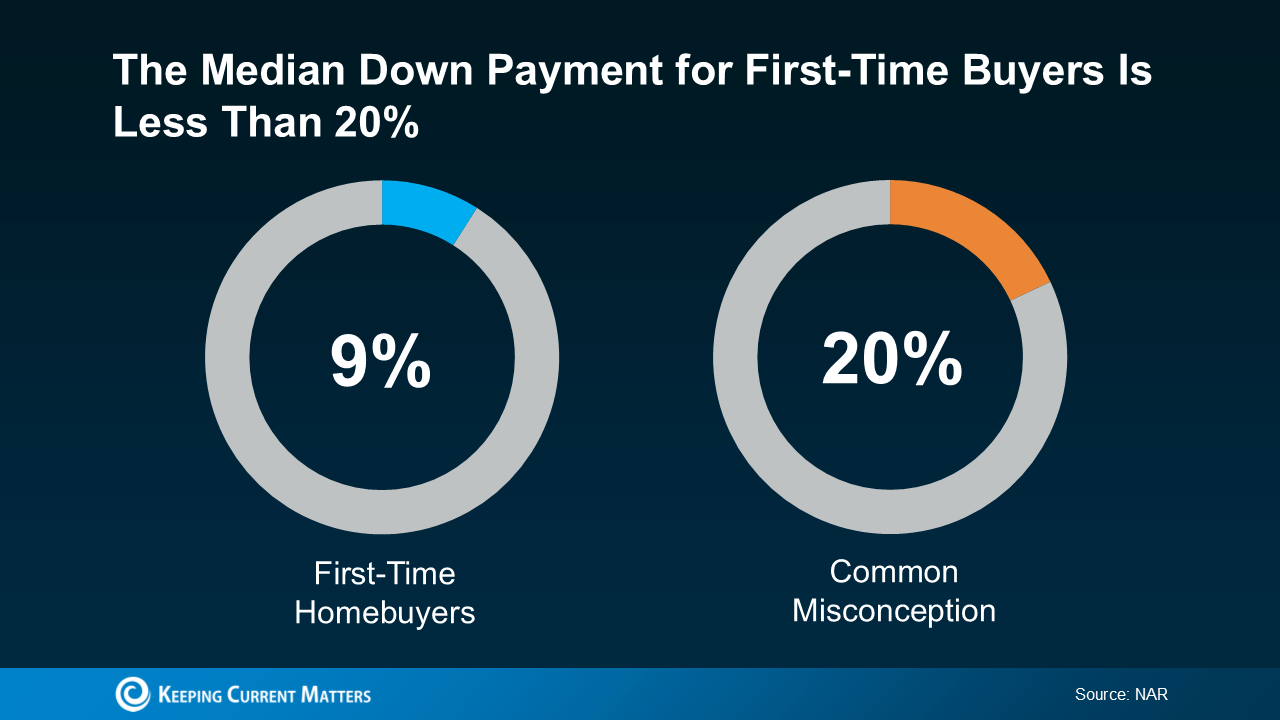
According to the National Association of Realtors (NAR), the median down payment is a lot lower for first-time homebuyers at just 9% (see chart below):

The takeaway? You may not need to save as much as you originally thought.  

And the best part is, there are also a lot of programs out there designed to give your down payment savings a boost. And chances are, you’re not even aware they’re an option.

Why You Should Look into Down Payment Assistance Programs

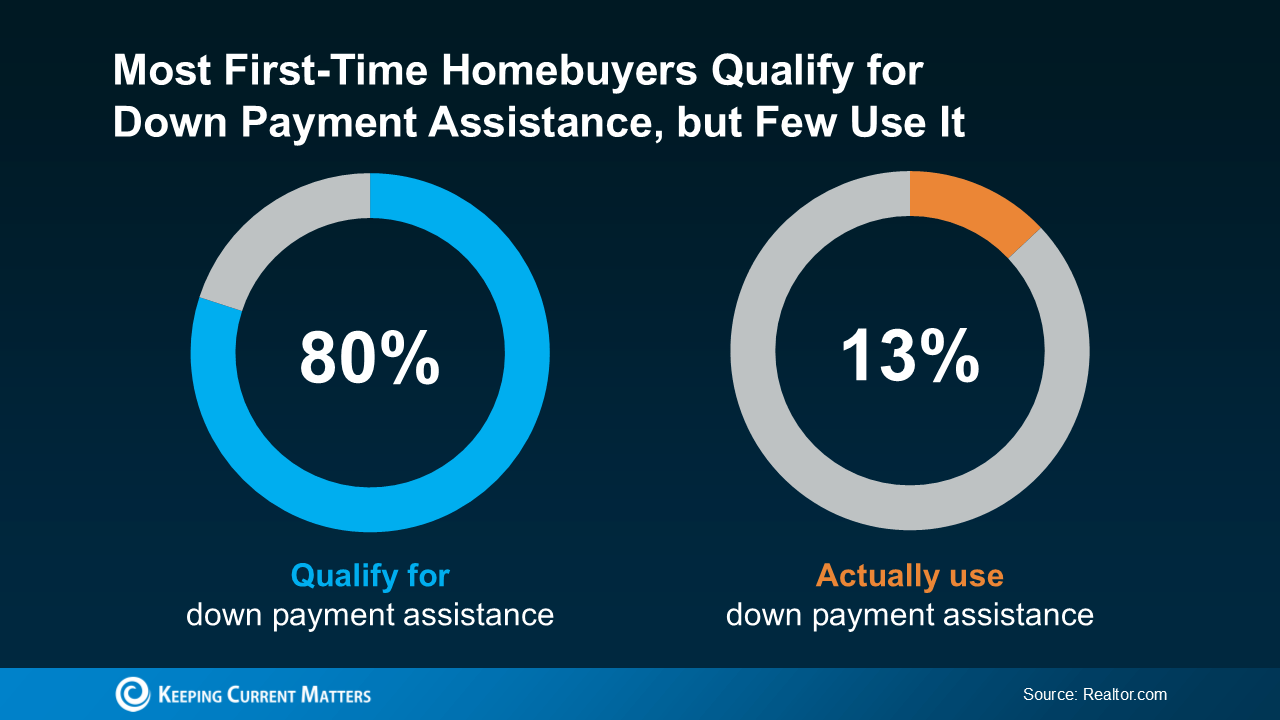
Believe it or not, almost 80% of first-time homebuyers qualify for down payment assistance (DPA), but only 13% actually use it (see chart below):

a blue and orange pie chart

That’s a lot of missed opportunity. These programs aren’t small-scale help, either. Some offer thousands of dollars that can go directly toward your down payment. As Rob Chrane, Founder and CEO of Down Payment Resource, shares:

“Our data shows the average DPA benefit is roughly $17,000. That can be a nice jump-start for saving for a down payment and other costs of homeownership.”

Imagine how much further your homebuying savings would go if you were able to qualify for $17,000 worth of help. In some cases, you may even be able to stack multiple programs at once, giving what you’ve saved an even bigger lift. These are the type of benefits you don’t want to leave on the table.

Bottom Line

Saving up for your first home can feel like a lot, especially if you’re still thinking you have to put 20% down. The truth is that’s a common myth. Many loan options require much less, and there are even programs out there designed to boost your savings too.

To learn more about what’s available and if you’d qualify for any down payment assistance programs, click the link below, and I will put you in touch with a trusted and knowledgeable lender who can help you through the Home Loan Approval Process.

CLICK HERE TO GET STARTED!

Real Estate • Selling Your Home • Uncategorized • April 21, 2025

🏡 Top 10 Tips Sellers Need to Know to Maximize Their Sale in Today’s Market!

Top 10 Tips Sellers Need to Know to Maximize Their Sale in Today’s Market!

Selling your home isn’t just about putting a sign in the yard — it’s about strategically positioning your property to attract serious buyers, generate strong offers, and maximize your bottom line. Here are 10 proven tips to help you do just that:


1. ✅

Start with a Pre-Listing Consultation

Before making any decisions, speak with a knowledgeable Realtor (hi 👋). We’ll review your home’s condition, the local market, and create a tailored game plan to position your home for success.


2. 🧰

Tackle High-Impact, Low-Cost Repairs

Minor fixes go a long way. Patch walls, update hardware, replace burned-out bulbs, and address any obvious wear and tear that could raise red flags for buyers.


3. 🛋️

Stage for Emotion, Not Just Function

Buyers don’t just buy homes—they buy lifestyles. Clean, declutter, and stage each space to feel open, inviting, and aspirational.


4. 📸

Invest in Professional Photography & Video

In today’s digital-first world, your online listing is your first showing. Professional photos and videos make your home stand out—and sell faster.


5. 💵

Price Strategically, Not Emotionally

Overpricing can scare off buyers. We’ll analyze comparable sales and buyer behavior trends to find the sweet spot that attracts offers and competition.


6. 🗓️

Time the Market

While spring is traditionally hot, the right time to sell is when you’re ready. That said, understanding local seasonality and interest rate trends can give you an edge.


7. 📢

Launch with Maximum Exposure

A strong launch across the MLS, social media, email campaigns, and agent networks ensures your home gets the attention it deserves from day one.


8. 🔍

Be Flexible with Showings

The more accessible your home is, the more potential buyers will walk through the door. That access = opportunity.


9. 📑

Know What’s Negotiable

Price isn’t the only negotiable point. Closing date, contingencies, credits, and included items can all be used to create a win-win.


10. 🎯

Work With a Pro Who Knows Your Market

Having an experienced, local Realtor means you’re backed by market knowledge, marketing strategy, negotiation skills, and a trusted advisor every step of the way.


💬 Want this full checklist as a downloadable guide? Thinking about selling?

Call me at 201-780-0498 or click HERE to get started!

Real Estate • April 19, 2025

💰 20 Ways to Save Thousands on Your Next Home!

🏡 Buying a Home? Here’s How to Keep More Money in Your Pocket 💰

Whether you’re a first-time buyer or just looking to make a smarter move, saving money during the home buying process is absolutely possible — if you know where to look. From upfront savings to long-term value, these tips are designed to help you stretch every dollar without cutting corners.

👇 Here are 20 ways to save thousands on your next home purchase:

1️⃣ Buy Down Your Interest Rate – Pay points upfront to reduce your monthly mortgage payment.

2️⃣ Negotiate Seller Concessions – Ask for the seller to cover part of your closing costs.

3️⃣ Shop Multiple Lenders – Rates and fees vary—comparison shopping can save you big.

4️⃣ Use a Local Lender – Often more flexible and competitive than big banks.

5️⃣ Look for Homes with Price Drops – Sellers may be more motivated to negotiate.

6️⃣ Buy in the Off-Season – Winter months often mean less competition and better deals.

7️⃣ Target Homes That Have Been Sitting – More days on market = more room to negotiate.

8️⃣ Get Pre-Approved (Not Pre-Qualified) – A stronger offer may help you win without overbidding.

9️⃣ Consider Fixer-Uppers – Sweat equity now, instant value later.

🔟 Take Advantage of First-Time Buyer Programs – Many offer down payment or closing cost assistance.

1️⃣1️⃣ Use a Realtor Who Knows How to Negotiate (👋🏼) – Saving you thousands is what we do.

1️⃣2️⃣ Don’t Waive Inspections Entirely – They can uncover costly hidden issues.

1️⃣3️⃣ Ask for Repairs or Credits After Inspection – Sellers often agree to avoid delays.

1️⃣4️⃣ Avoid PMI by Putting 20% Down – Or explore lender-paid PMI options.

1️⃣5️⃣ Check for Tax Abatements – Some areas offer temporary property tax relief.

1️⃣6️⃣ Use Seller’s Preferred Title Company – If it means a discount on closing fees.

1️⃣7️⃣ Avoid Overbidding in Bidding Wars – Know the home’s true market value.

1️⃣8️⃣ Lock in Your Rate Strategically – Timing your rate lock can save you long term.

1️⃣9️⃣ Buy Below Budget – Just because you’re approved for more doesn’t mean you should spend more.

2️⃣0️⃣ Ask Your Agent About Off-Market Deals – Less competition = better price.

PlayPlay
Real Estate • December 12, 2024

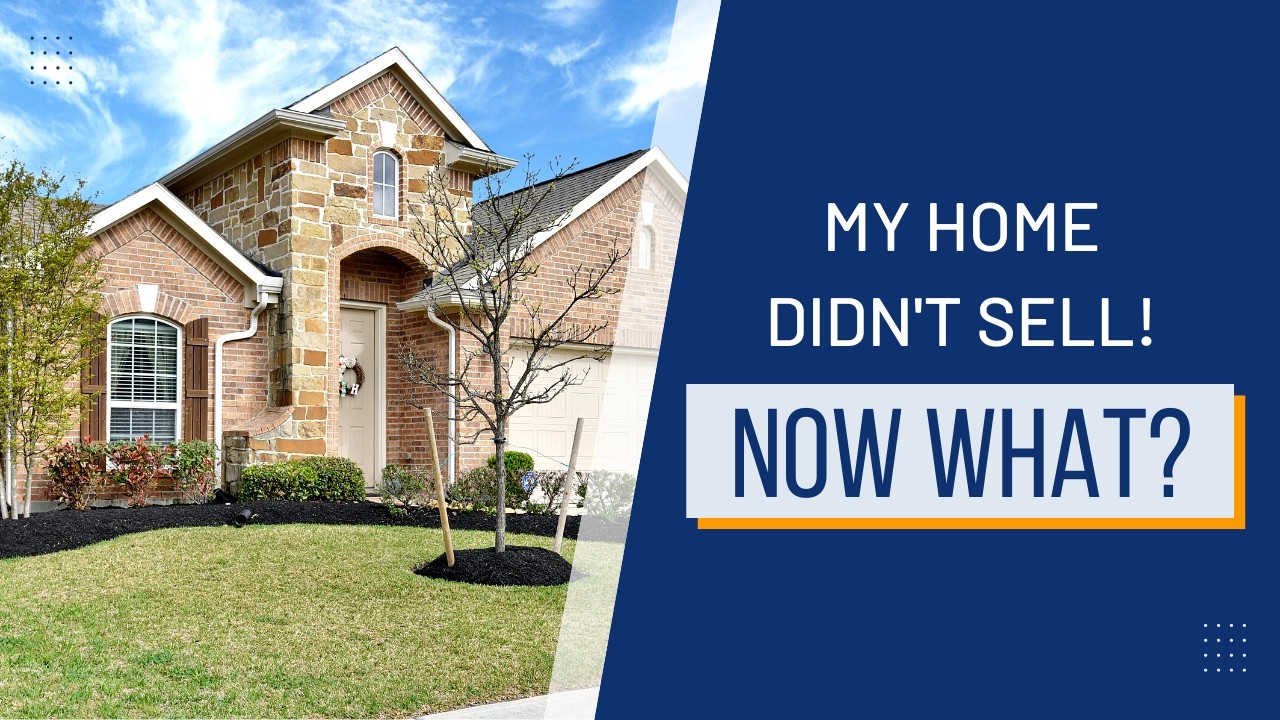
My Home Didn’t Sell! Now What?!

My Home Didn’t Sell! Now What?!

Selling your home can be an emotional rollercoaster. From the excitement of listing to the disappointment of a home not selling, it’s not uncommon to feel frustrated and unsure of your next steps. If you’ve found yourself saying, “My home didn’t sell! Now what?”—you’re not alone. The good news is, there are solutions to turn things around.

Here’s a guide to help you regroup, reassess, and relist successfully.

______________________________________________________________________________________

Step 1: Understand Why Your Home Didn’t Sell

There are several common reasons why homes don’t sell, and identifying the issue is the first step to fixing it.

1. PREPARATION: Was your home presented in the best possible light? Staging, decluttering, and even small repairs can make a big difference. Buyers want to see a home they can envision themselves in.

2. PROMOTION: Was your property marketed effectively? A strong marketing plan includes professional photos, online exposure, social media campaigns, and open houses. Without the right promotion, even the most beautiful homes can go unnoticed.

3. PRICING: Was your home priced correctly? Overpricing is one of the most common reasons homes fail to sell. Even in a hot market, buyers are savvy and won’t overpay for a property.

______________________________________________________________________________________

Step 2: Work with a Specialist

If your home didn’t sell, it might be time to partner with an agent who specializes in relisting and successfully selling expired listings. A fresh perspective and an expert approach can make all the difference.

At Coldwell Banker Realty, my Relisting Service is designed to address the most common pitfalls with a targeted approach that includes:

•A full analysis of why your home didn’t sell.

•An updated pricing strategy based on local market trends.

•A customized marketing plan to make your home stand out.

•Professional staging and photography recommendations.

______________________________________________________________________________________

Step 3: Reassess Your Goals

Take some time to think about your priorities. Is your goal to sell quickly, or are you more focused on achieving a specific price? Understanding what’s most important to you will help shape the strategy moving forward.

______________________________________________________________________________________

Step 4: Be Open to Adjustments

Selling a home often requires flexibility. Whether it’s adjusting the price, making small improvements, or exploring new ways to market your property, being open to change can significantly improve your results.

______________________________________________________________________________________

Step 5: Start Fresh with Confidence

Remember, an expired listing is not the end of the road—it’s just an opportunity for a fresh start. By addressing the challenges of the previous listing and implementing a proven plan, your property can sell, and you can move forward with your next chapter.

_______________________________________________________________________________________

Ready to Get Started?

If your home didn’t sell the first time around, don’t lose hope. Let’s work together to get your home sold the right way. Contact me at 201-780-0498 today to schedule a no-obligation consultation, and let’s create a plan that works for you.

Success is just one step away!


Luis "Dennis" Davila, SFRÂŽ, ABRÂŽ, CPMÂŽ
NJ Licensed RealtorÂŽ - NJ Notary Public
Coldwell Banker Realty
M: (201) 780-0498 | O: (973) 778-4500
789 Clifton Ave | Clifton, NJ, 07012
luis.davila@cbrealty.com
www.dennis-davila.com
The kindest compliment I can receive is your referrals!